Skip to main content Skip to main navigation
Smithsonian logo Smithsonian main website
  • Living traditions of, by, and for the people
  • Folklife
  • Folkways
  • Festival
Festival Logo Festival Logo Festival Logo
  • 2026
    • Of the People
    • By the People
    • For the People
    • Spotlight Programs
    • For the Common Good
  • Visit
    • General Information
    • Festival 101
    • Map
    • Marketplace
    • Accessibility
    • FAQ
  • Learn
    • Festival Blog
    • Podcast
    • Festival Video
    • Storied Objects
    • Past Programs
  • Schedule
    • Event Calendar
    • D.C. Schedule
    • Livestream Events
    • Archived Events
  • Sponsors
    • Event Sponsors
    • Make a Donation
  • About Us
    • Mission & History
    • Staff
    • Press
    • Contact
    • Mailing List
    • Jobs & Internships
    • Volunteer
Browse By
  • Theme
    • Art & Design
    • Building Arts
    • By Our Interns
    • Celebrations
    • Community
    • Crafts
    • Cultural Sustainability
    • Cultural Transmission
    • Dance
    • Dress
    • Education
    • Environment
    • Folklife Resources
    • Foodways
    • Future Programs
    • History
    • Immigration & Migration
    • Indigenous Peoples
    • Language
    • Marketplace
    • Music
    • Poetry
    • Religion & Spirituality
    • Social Justice
    • Sponsor Highlight
    • Sports & Games
    • Storytelling
    • Traditional Knowledge
    • Tribute
    • Work Life
  • Year/Program
    • 2010s
      • 2018
        • Armenia
        • Catalonia
        • Crafts of African Fashion
        • On the Move
        • Sisterfire
      • 2017
        • 50th Anniversary
        • Circus Arts
        • Festival at 50
        • IlluminAsia
        • On the Move
      • 2016
        • Basque
        • On the Move
        • Sounds of California
        • Special Events (2016)
      • 2015
        • Peru
        • Special Events (2015)
      • 2014
        • China
        • Kenya
        • Special Events (2014)
      • 2013
        • Hungarian Heritage
        • One World, Many Voices
        • Special Events (2013)
        • The Will to Adorn
      • 2012
        • Campus and Community
        • Citified
        • Creativity and Crisis
        • Special Events (2012)
      • 2011
        • Colombia
        • Peace Corps
        • Rhythm and Blues
        • Special Events (2011)
      • 2010
        • Asian Pacific Americans
        • México
        • Smithsonian Inside Out
        • Special Events (2010)
    • 2000s
      • 2009
        • Giving Voice
        • Las Américas
        • Special Events (2009)
        • Wales Smithsonian Cymru
      • 2008
        • Bhutan: Land of the Thunder Dragon
        • NASA: Fifty Years and Beyond
        • Special Events (2008)
        • Texas: A Celebration of Music, Food, and Wine
      • 2007
        • Mekong River: Connecting Cultures
        • Northern Ireland at the Smithsonian
        • Roots of Virginia Culture: The Past is Present
        • Special Events (2007)
      • 2006
        • Alberta at the Smithsonian
        • Carriers of Culture: Living Native Basket Traditions
        • Nuestra Música: Latino Chicago
        • Special Events (2006)
      • 2005
        • Food Culture USA
        • Forest Service, Culture, and Community
        • Nuestra Música: Music in Latino Culture (2005)
        • Oman: Desert, Oasis, and Sea
        • Special Events (2005)
      • 2004
        • Haiti: Freedom and Creativity from the Mountains to the Sea
        • Nuestra Música: Music in Latino Culture (2004)
        • Special Events (2004)
        • Water Ways
      • 2003
        • Appalachia: Heritage and Harmony
        • Mali: From Timbuktu to Washington
        • Scotland at the Smithsonian
        • Special Events (2003)
      • 2002
        • The Silk Road
      • 2001
        • Bermuda Connections
        • Masters of the Building Arts
        • New York City at the Smithsonian
        • Special Events (2001)
      • 2000
        • El Río
        • Special Events (2000)
        • Tibetan Culture Beyond the Land of Snows
        • Washington, D.C.: It's Our Home
    • 1990s
      • 1999
        • Celebrating New Hampshire's Stories
        • Gateways to Romania
        • South Africa: Crafting the Economic Renaissance of the Rainbow Nation
        • Special Events (1999)
      • 1998
        • Pahiyas: A Philippine Harvest
        • Special Events (1998)
        • The Baltic Nations: Estonia, Latvia, and Lithuania
        • The Rio Grande/Río Bravo Basin
        • Wisconsin
      • 1997
        • African Immigrant Folklife
        • Sacred Sounds: Belief & Society
        • Special Events (1997)
        • The Mississippi Delta
      • 1996
        • Iowa - Community Style
        • Special Events (1996)
        • The American South
        • Working at the Smithsonian
      • 1995
        • Heartbeat: The Voices of First Nations Women
        • Russian Roots, American Branches: Music in Two Worlds
        • Special Events (1995)
        • The Cape Verdean Connection
        • The Czech Republic: Tradition and Transformation
      • 1994
        • Culture and Development in Latin America and the Caribbean
        • Masters of Traditional Arts: The National Endowment for the Arts National Heritage Fellows
        • Thailand: Household, Temple Fair & Court
        • The Commonwealth of The Bahamas
      • 1993
        • American Social Dance
        • Kids' Stuff
        • Metro Music
        • U.S.-Mexico Borderlands
      • 1992
        • Creativity and Resistance: Maroon Culture in the Americas
        • New Mexico
        • The Changing Soundscape in Indian Country
        • Workers at the White House
      • 1991
        • Family Farming in the Heartland
        • Forest, Field and Sea: Folklife in Indonesia
        • Land in Native American Cultures
        • Roots of Rhythm and Blues: The Robert Johnson Era
      • 1990
        • Musics of Struggle
        • Senegal
        • U.S. Virgin Islands
    • 1980s
      • 1989
        • American Indian Program
        • Cultural Conservation (1989)
        • Hawai'i
        • Les Fêtes Chez Nous: France and North America
        • The Caribbean: Cultural Encounters in the New World
      • 1988
        • American Folklore Society Centennial
        • Festival Music Stage
        • Ingenuity and Tradition: The Common Wealth of Massachusetts
        • Migration to Metropolitan Washington: Making a New Place Home
        • Music from the Peoples of the Soviet Union
      • 1987
        • Cultural Conservation and Languages: America's Many Voices
        • Metropolitan Washington
        • Michigan
      • 1986
        • 20th Anniversary Music Stage
        • American Trial Lawyers
        • Cultural Conservation: Traditional Crafts in a Post-Industrial Age
        • Japan: Rice in Japanese Folk Culture
        • Tennessee
      • 1985
        • Cultural Conservation (1985)
        • Louisiana
        • Mela! An Indian Fair
        • Special Events (1985)
      • 1984
        • Alaska
        • Black Urban Expressive Culture from Philadelphia
        • The Grand Generation
      • 1983
        • Aviation Program
        • Festival Sampler
        • French/French-American Program
        • National Heritage Fellowships Program (1983)
        • New Jersey
      • 1982
        • Children's Program (1982)
        • Korea
        • National Heritage Fellowships Program (1982)
        • Oklahoma
      • 1981
        • A Celebration of the American Tent Show
        • Adobe Architecture
        • Arts Endowment Folk Arts Program
        • Children's Program (1981)
        • Folklore of the Deaf
        • Music and Crafts of the Southeastern United States
        • Northeastern Music and Dance
        • Ojibwa Culture
        • South Slavic Americans
      • 1980
        • American Talkers
        • Caribbean Americans
        • Community Activities and Food Preservation
        • Finnish Americans
        • Folk Housing and Energy Efficiency
        • Southeast Asian Americans
    • 1970s
      • 1979
        • Caribbean Carnival
        • Children's Area
        • Folklife in the Museum - Folk Medicine
        • Folklore in Your Community
        • Medicine Show
        • Native American Architecture
      • 1978
        • Chesapeake Bay Traditions
        • Children's Folklife
        • Coal Miners & Oil Workers
        • D.C. Folklore
        • Folklife in the Museum: A Nation of Nations (1978)
        • Folklife in the Museum: Renwick Gallery (1978)
        • Mexican & Mexican American Traditions
        • Other Programs (1978)
        • San Juan Pueblo Culture
      • 1977
        • African Diaspora Street Culture
        • America's Appetite (for Energy)
        • Folklife in the Museum: A Nation of Nations (1977)
        • Folklife in the Museum: Hall of Musical Instruments
        • Folklife in the Museum: Renwick Gallery (1977)
        • Native American Musical Styles
        • Other Programs (1977)
        • Virginia Folk Culture
      • 1976
        • African Diaspora (1976)
        • Children's Program (1976)
        • Family Folklore (1976)
        • Festival Stage (1976)
        • Native Americans (1976)
        • Old Ways in the New World (1976)
        • Regional America (1976)
        • Working Americans (1976)
      • 1975
        • African Diaspora (1975)
        • Children's Program (1975)
        • Family Folklore (1975)
        • Festival Stage (1975)
        • Native Americans (1975)
        • Old Ways in the New World (1975)
        • Regional America (1975)
        • Working Americans (1975)
      • 1974
        • African Diaspora (1974)
        • Children's Program (1974)
        • Family Folklore (1974)
        • Festival Stage (1974)
        • Native Americans (1974)
        • Old Ways in the New World (1974)
        • Regional America (1974)
        • Working Americans (1974)
      • 1973
        • Native Americans (1973)
        • Old Ways in the New World (1973)
        • Regional America (1973)
        • Working Americans (1973)
      • 1972
        • Maryland
        • Southwest Indians
        • Union Workers
      • 1971
        • Northwest Coast Indians
        • Ohio
        • Performances (1971)
      • 1970
        • Arkansas
        • Crafts (1970)
        • Performances (1970)
        • Southern Plains Indians
    • 1960s
      • 1969
        • Crafts (1969)
        • Pennsylvania
        • Performances (1969)
        • Toby Show
      • 1968
        • Crafts (1968)
        • Performances (1968)
        • Texas
      • 1967
        • Crafts (1967)
        • Performances (1967)
Browse By
exclamation_triangle

Explore the 2026 calendar and interactive story map to find events in your region!

close Dismiss
2015

Perú

Pachamama
Arte y música urbana
Photo by Joshua Eli Cogan
Artista de serigrafía, Monky, coloca rápidamente carteles chicha al lado de la pista en el vecindario de San Juan de Lurigancho en Lima.
Foto de Joshua Eli Cogan, Ralph Rinzler Folklife Archives

La cumbia amazónica surgió en las ciudades petroleras de la Amazonía peruana a finales de la década de 1960. Inspirada en la cumbia colombiana, las canciones mezclan las melodías distintivas de la escala pentatónica andina, la guajira cubana y el sonido psicodélico de las guitarras eléctricas, los pedales wah-wah, los órganos Farfisa y sintetizadores Moog del rock and roll estadounidense.

En Lima, una variante de la cumbia conocida como chicha surgió como resultado de la migración interna del campo a la ciudad. La cumbia amazónica y la chicha son tanto manifestaciones de vínculos entre lo global y lo local como expresiones de la diversidad cultural peruana. La música chicha abrió espacio para afiches y arte gráfico urbano que comparte el mismo nombre. Con sus imágenes estilizadas y colores chillones, el arte visual chicha se ha convertido en un símbolo del Perú. Todas estas expresiones artísticas reclaman espacios urbanos y nacionales para comunidades migrantes normalmente marginadas.

Photo by Joshua Eli Cogan, Ralph Rinzler Folklife Archives
Photo by Cristina Díaz-Carrera
Photo by Josué Castilleja, Ralph Rinzler Folklife Archives
Photo by Joshua Eli Cogan, Ralph Rinzler Folklife Archives
Monky retira un cartel chicha del serígrafo en su taller mientras su sobrino lo observa.
Foto de Joshua Eli Cogan, Ralph Rinzler Folklife Archives
La producción de afiches chicha es una industria artesanal en el Perú. Producen cientos de afiches en serie, diseñando, cortando, y aplicando la pintura.
Foto de Cristina Díaz-Carrera
Elliot Túpac muestra orgulloso uno de sus diseños gráficos en su taller de Lima.
Foto de Josué Castilleja, Ralph Rinzler Folklife Archives
Pintura de Brus Rubio.
Foto de Josué Castilleja, Ralph Rinzler Folklife Archives
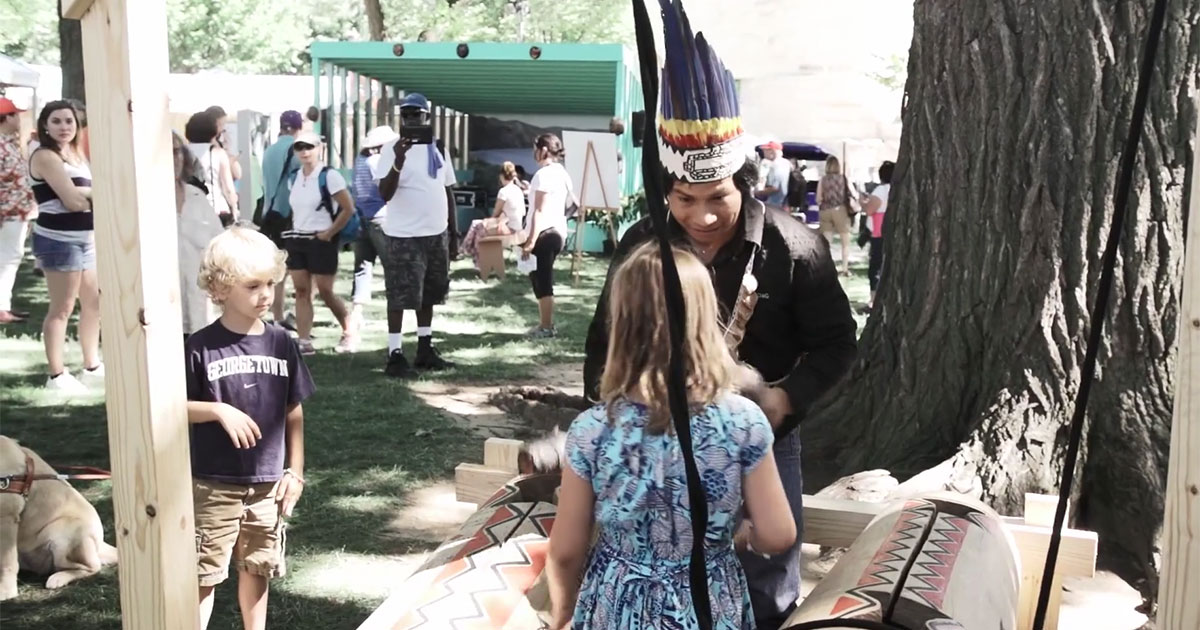
Artista amazónico Brus Rubio posa visitiendo una corona de plumas hecha para él por su abuela. Un lado representa su etnicidad Bora y el otro su etnicidad Uitoto.
Foto de Joshua Eli Cogan, Ralph Rinzler Folklife Archives
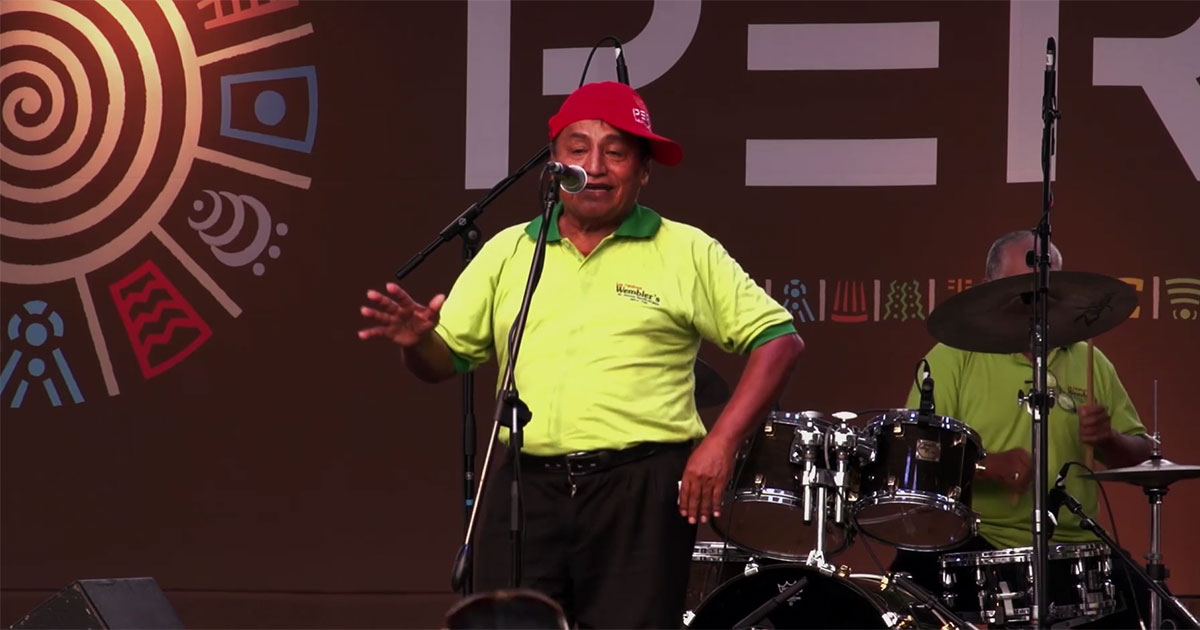
Miembros de Los Webler’s de Iquitos posan juntos en su vecindario.
Foto de Joshua Eli Cogan, Ralph Rinzler Folklife Archives

Serigráfica chicha

La tradición serigráfica chicha ha sido una creación de los artistas de Junín quienes mezclan las combinaciones cromáticas de sus trajes típicos regionales para crear afiches publicitarios que se extienden por todo el Perú. Pedro “Monky” Tolomeo es uno de los pioneros del movimiento de afiches chicha en Lima al haber creado afiches fosforescentes personalizados para grupos como Los Shapis y Chacalón y La Nueva Crema.

Video Thumbnail

Diseños chicha

El afiche chicha ha logrado un nuevo nivel con el estampado serigráfico de Elliot Tupac. Le ha dado nuevos aspectos a sus letras inspirándose en fuentes tanto callejeras y vernáculas como cosmopolitas y transnacionales. Las obras de Tupac se han convertido en una marca de identidad en el Perú, marcando la transición del arte urbano hacia el mundo de las galerías.

Video Thumbnail

Pintura sobre llanchama

En los últimos 20 años, artistas indígenas bora han pintado sobre la corteza llanchama la cosmovisión de su pueblo desde su propio punto de vista. Brus Rubio se inspira en leyendas, mitos, historias locales y canciones huitoto y bora para crear obras que invitan a un diálogo intercultural con espectadores no indígenas.
Video Thumbnail

Cumbia amazónica

Los Wembler’s de Iquitos crearon la cumbia amazónica apropiándose de sonidos urbanos, cosmopolitas y transnacionales mezclados con ritmos y melodías locales. A diferencia de otros grupos amazónicos, Los Wembler’s conservan su sonido original de la era dorada de la cumbia-chicha peruana de los años 70, que después de cuarenta años continúa atrayendo a nuevos oyentes.
Video Thumbnail
peru
English
Español
  • Introduction
  • Performing & Visual Arts
    • Afro-Peruvian Music
    • Huayno Music
    • Marinera Dance
    • Masquerade Dance
    • Sarawja Dance
    • Urban Art and Music
  • Crafts
    • Ayacucho Crafts
    • Cusco Textiles
    • Gourd Carving
    • Reed Rafts
  • Traditional Knowledge
    • Amazon Wachiperi
    • Q'eswachaka Bridge
    • Radio Ucamara
    • Traditional Farming
  • Foodways
  • Participants
  • Music Playlist
  • Blog Posts
  • Credits and Acknowledgements

Join our email list for the latest news from the Smithsonian Center for Folklife and Cultural Heritage

Email powered by MailChimp (Privacy Policy, Terms of Use)

Support the Folklife Festival, Smithsonian Folkways Recordings, sustainability projects, educational outreach, and more.
Support Folklife. Donate Now.
  • 2026
    • Of the People
    • By the People
    • For the People
    • Spotlight Programs
    • For the Common Good
  • Visit
    • General Information
    • Festival 101
    • Map
    • Marketplace
    • Accessibility
    • FAQ
  • Learn
    • Festival Blog
    • Podcast
    • Festival Video
    • Storied Objects
    • Past Programs
  • Schedule
    • Event Calendar
    • D.C. Schedule
    • Livestream Events
    • Archived Events
  • Sponsors
    • Event Sponsors
    • Make a Donation
  • About Us
    • Mission & History
    • Staff
    • Press
    • Contact
    • Mailing List
    • Jobs & Internships
    • Volunteer

  • Smithsonian Institution
  • © 2026 Smithsonian Institution
    • Contact
    • Privacy
    • Terms of Use
    • Credits
  • Connect with us
TOP